
How UN approval works, how to read the mark, who needs it, and our UN approved steel and plastic jerry cans.
UN approved packaging is a drum, jerrican, box or IBC whose design type passed the UN performance tests for its type (drop and stacking, plus leakproofness and internal pressure for liquids) and that carries the UN mark with a code such as 3A1 or 3H1. You need it to ship dangerous goods such as petrol, solvents and corrosives by road, rail, sea or air.
The UN Model Regulations set one test regime for packagings, and each transport mode writes it into law: ADR for road and RID for rail in Europe, the IMDG Code at sea, the ICAO Technical Instructions and the IATA Dangerous Goods Regulations by air, and 49 CFR in the United States. Approval attaches to a design type: one design, size, material, wall thickness and closure, made at a named plant. Change any of them and the design needs its own approval.
In Europe, the UK and Australia a competent authority approves the design from accredited test results. BAM approves designs in Germany and the VCA Dangerous Goods Office issues UK certificates for the Department for Transport. In the United States the manufacturer self-certifies: under 49 CFR 178.2(b) the UN mark it applies is the certification. Our guide to UN certificates and test reports covers what each certificate states and the paperwork to ask a supplier for.
The mark below is a steel jerry can approved for liquids of all three packing groups. Read left to right: the UN symbol, the packaging code, the packing group letter with the highest relative density tested, the hydraulic test pressure in kPa, the year of manufacture, the country that approved it and the maker’s code.
The code 3A1 breaks into a 3 for a jerrican, an A for steel and a 1 for a closed head. The letter X covers packing groups I, II and III, Y covers II and III, and Z covers III only. A design for liquids no denser than 1.2 may leave the density off, and an S in place of the pressure marks a design for solids.
Paste any mark into the UN packaging code decoder to read it part by part, or see UN packaging codes explained for every code from 1A1 to 31HA1.
Anyone who consigns dangerous goods in packages. Each substance has a UN number, listed in section 14 of its safety data sheet, and its entry in the Dangerous Goods List (ADR Table A) names a packing instruction. For most liquids that is P001, which lists the drums, jerricans and IBCs allowed and the largest size of each: 60 litres for a jerrican, 450 litres for a drum. Petrol (UN 1203, packing group II) and diesel (UN 1202, packing group III) are both class 3 flammable liquids.
Type the UN number into the UN number packaging finder and it lists the codes allowed and the largest size of each. Three exemptions cover small or private loads:
Drinking water is not a dangerous good, so a water container needs no UN mark. It needs food-contact documents instead; see food-contact certification for water containers.
Our UN approved steel jerry cans are made to UN 3A1 and our HDPE jerrycans to UN 3H1 and 3H2. The table lists each container, its code and its capacity. “UN version available” means the product data states a UN approval; “ask us” means we make the design type and you should confirm the approval for your run before you order.
| Code | Container type | Our container | Capacity | Status |
|---|---|---|---|---|
3A1 | Closed-head steel jerrican | 20L NATO Steel Fuel Can | 20 litres | UN version available |
3A1 | Closed-head steel jerrican | 25L & 30L NATO Can | 25 and 30 litres | UN version available |
3A1 | Closed-head steel jerrican | Stainless NATO Can — 10L / 20L | 10 and 20 litres | UN version available |
3A1 | Closed-head steel jerrican | Horizontal Galvanised Can — 5L / 10L / 20L | 5, 10 and 20 litres | UN version available |
3A1 | Closed-head steel jerrican | Horizontal Stainless Can — 5L / 10L / 20L | 5, 10 and 20 litres | UN version available |
3A1 | Closed-head steel jerrican | 3L Mini Horizontal Can | 3 litres | UN version available |
3H1 | Closed-head plastic jerrican | 25L Stackable Plastic Jerrycan | 25 litres | UN version available |
3H1 | Closed-head plastic jerrican | Fluorinated HDPE Jerrycan | 5, 10, 20, 25 and 30 litres | UN version available |
3H1 | Closed-head plastic jerrican | Antistatic HDPE Jerrycan | 5, 10, 20, 25 and 30 litres | UN version available |
3H2 | Open-head plastic jerrican | Wide-Mouth HDPE Jerrycan — UN 3H2 pattern | 10, 20 and 25 litres | UN version available |
3B1 | Closed-head aluminium jerrican | 20L Aluminium NATO Can | 20 litres | UN status: ask us |
1A1 | Closed-head steel drum | Round Metal Bucket, 5L to 25L | 5 to 25 litres, four sizes | UN status: ask us |
1A2 | Open-head steel drum | Metal Pail with Flower Lid or Lever Ring, 4L to 35L | 4 to 35 litres, seventeen sizes | UN status: ask us |
1A2 | Open-head steel drum | Round Metal Bucket, 5L to 25L | 5 to 25 litres, four sizes | UN status: ask us |
1H2 | Open-head plastic drum | Round PP Bucket, 2.5L to 20L | 2.5 to 20 litres, eighteen sizes | UN status: ask us |
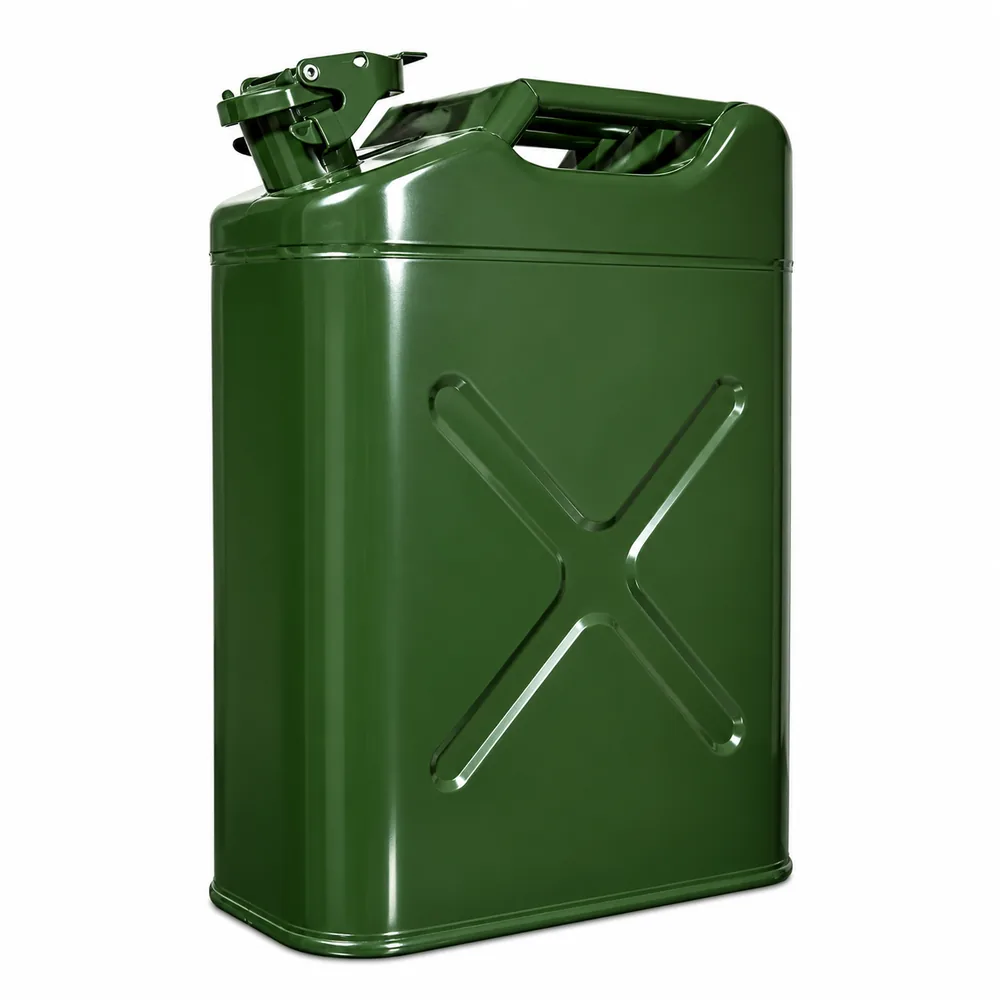 20L NATO Steel Fuel Can20 litres
3A1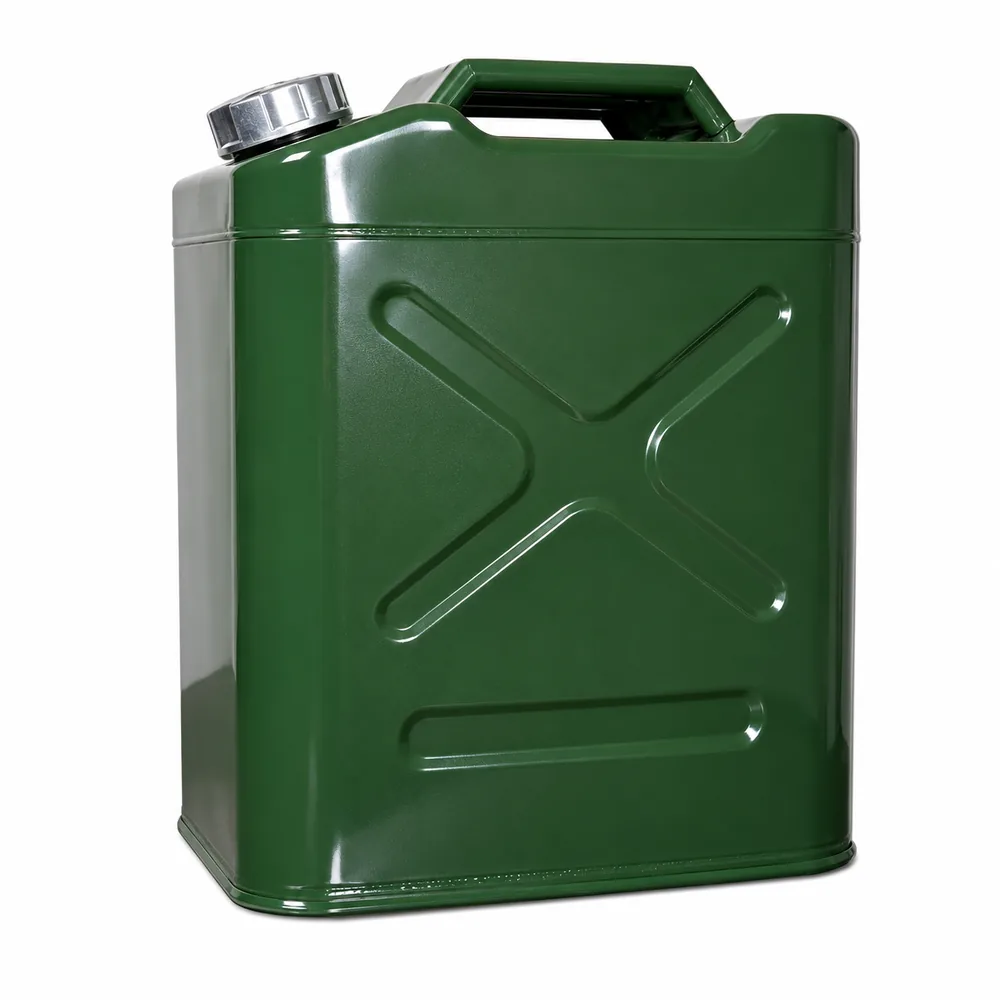 25L & 30L NATO Can25 and 30 litres
3A1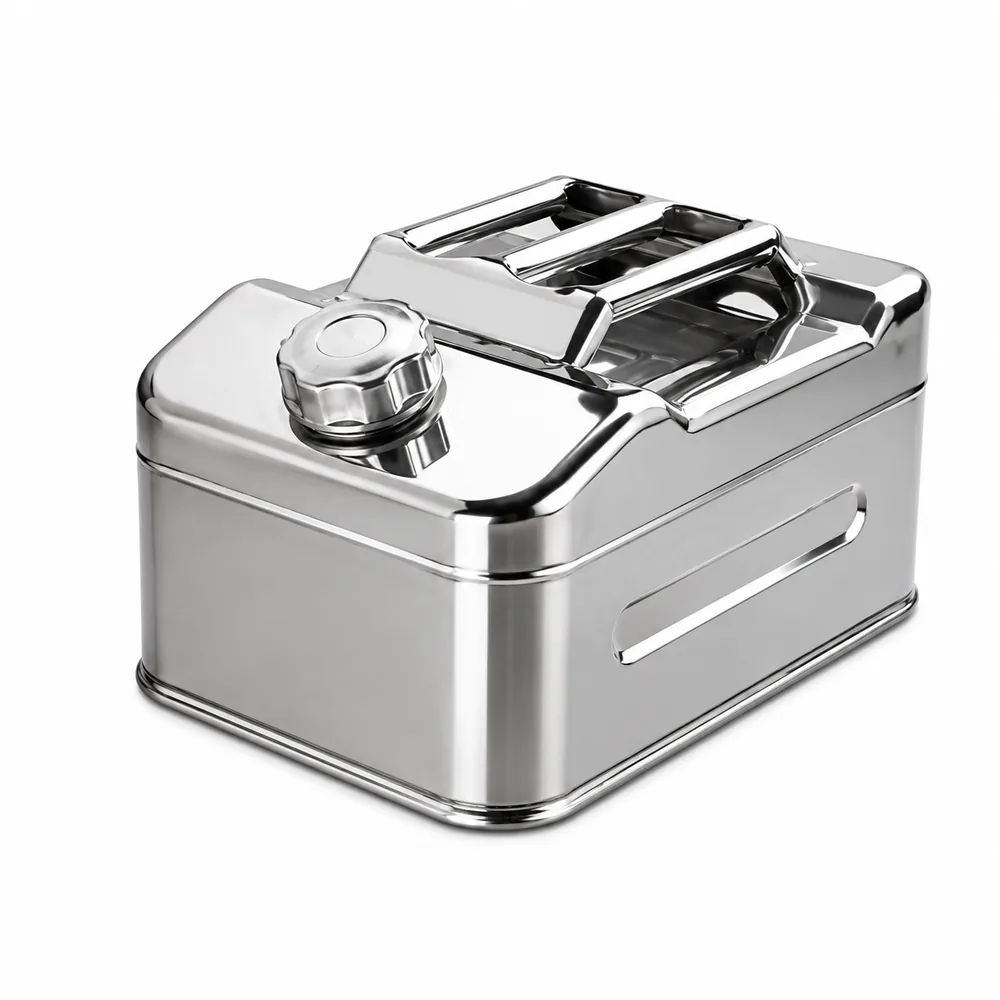 Stainless NATO Can — 10L / 20L10 and 20 litres
3A1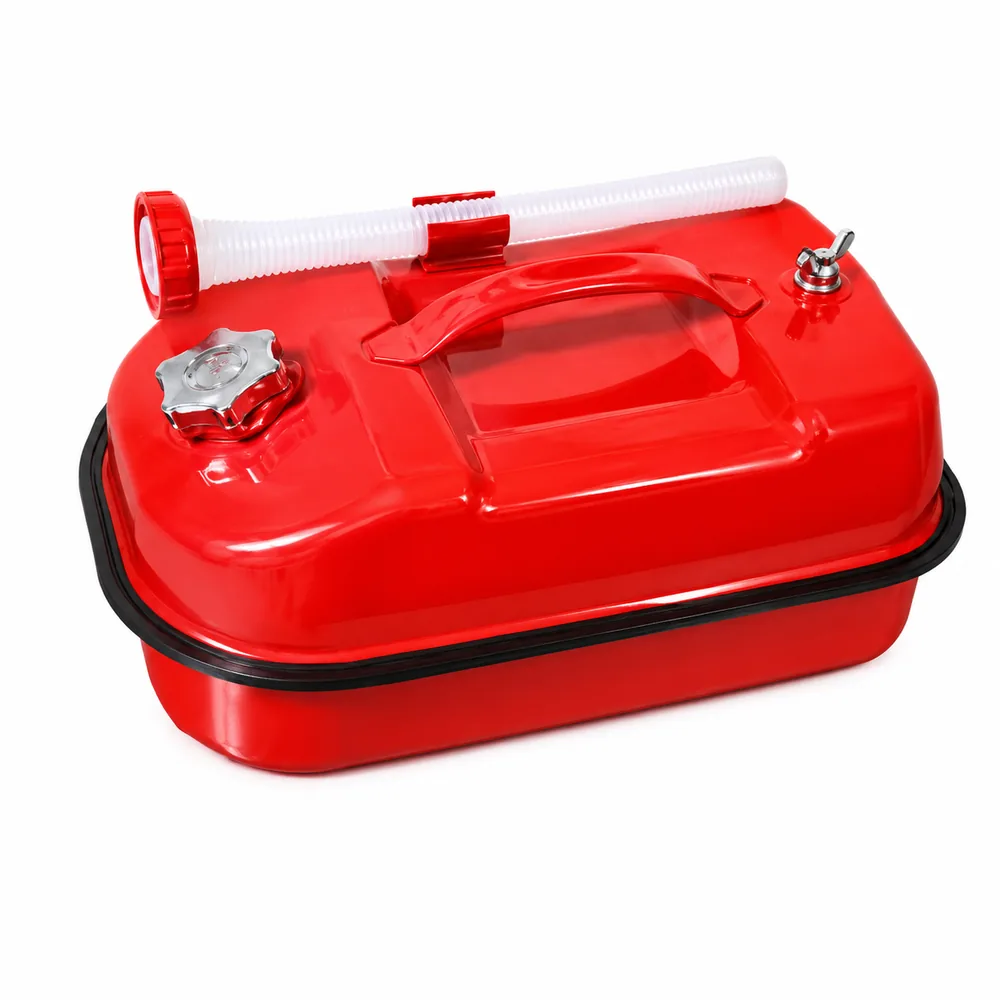 Horizontal Galvanised Can — 5L / 10L / 20L5, 10 and 20 litres
3A1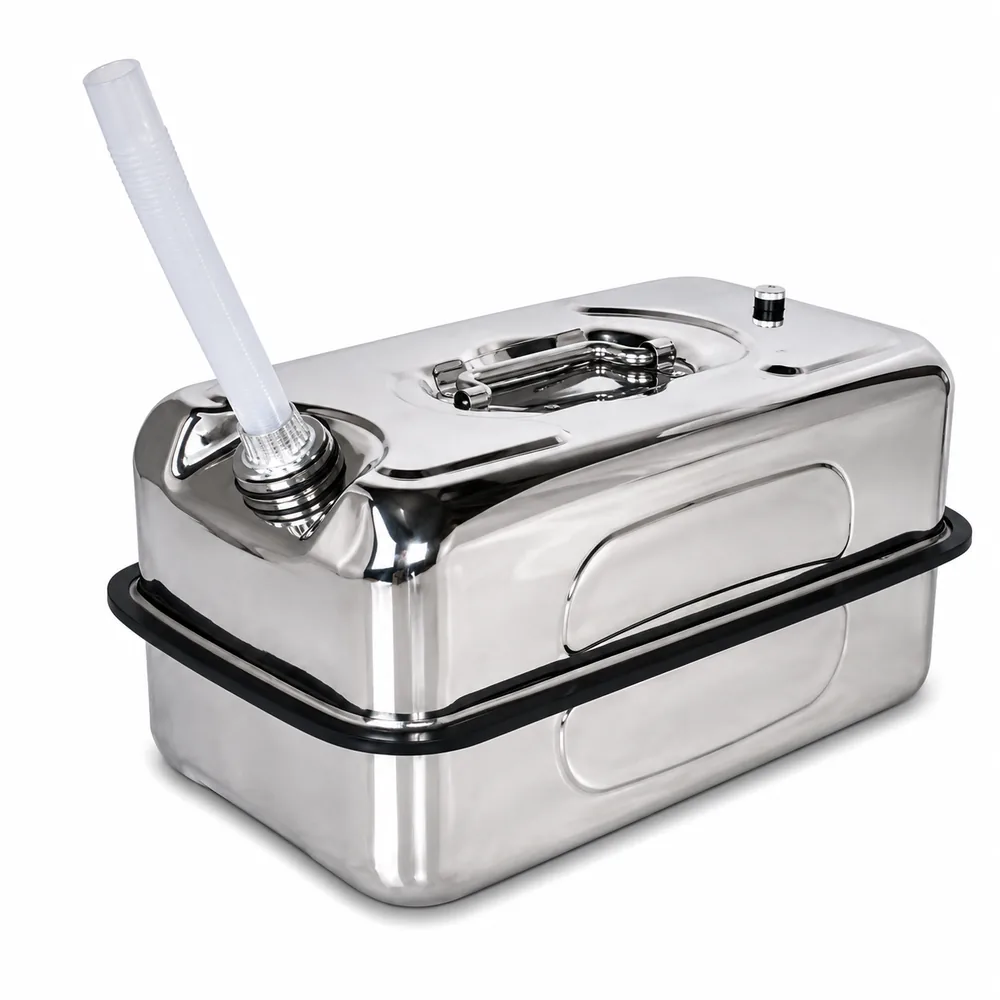 Horizontal Stainless Can — 5L / 10L / 20L5, 10 and 20 litres
3A1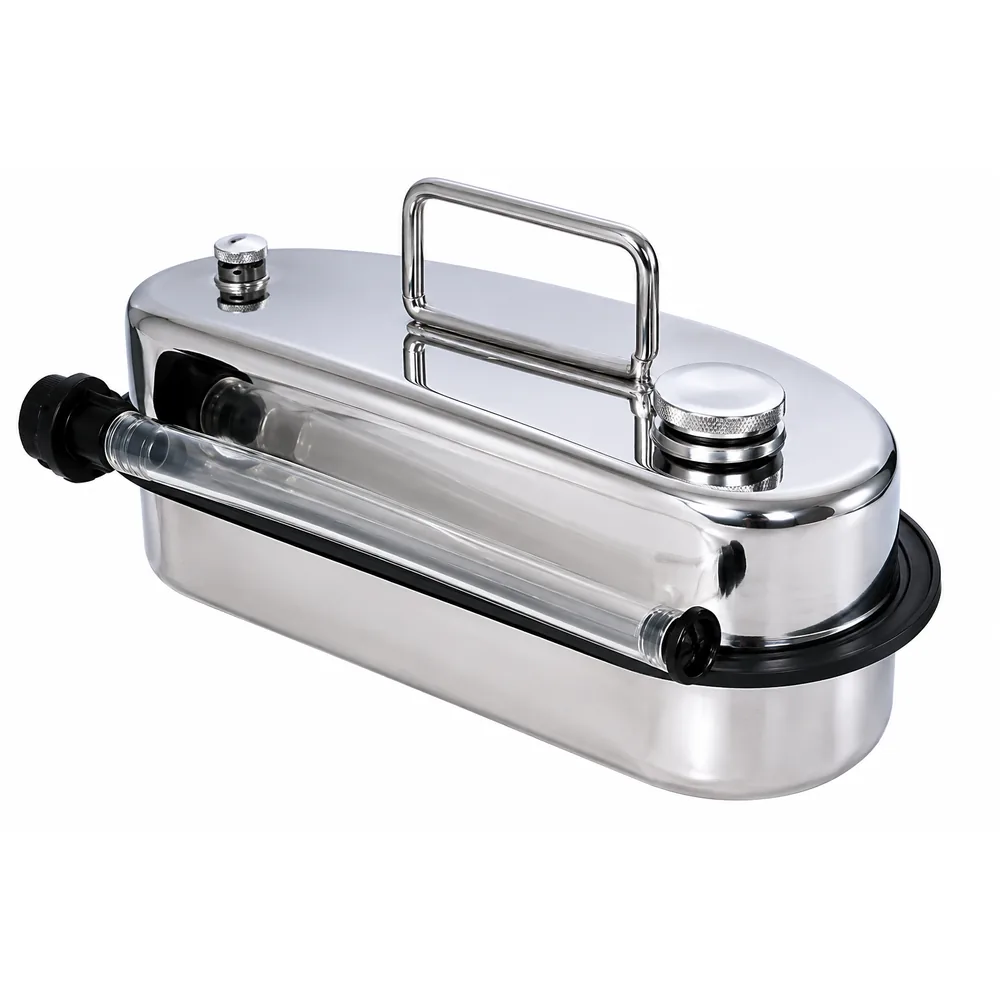 3L Mini Horizontal Can3 litres
3A1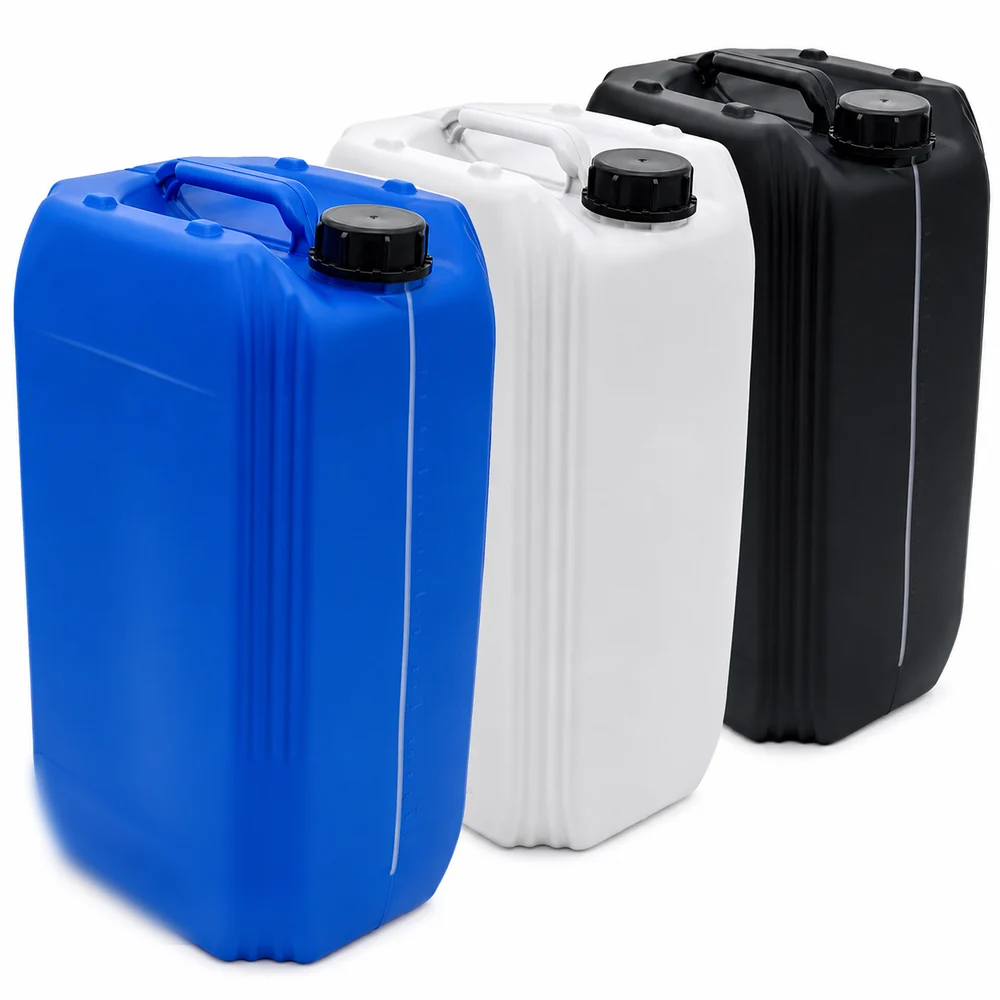 25L Stackable Plastic Jerrycan25 litres
3H1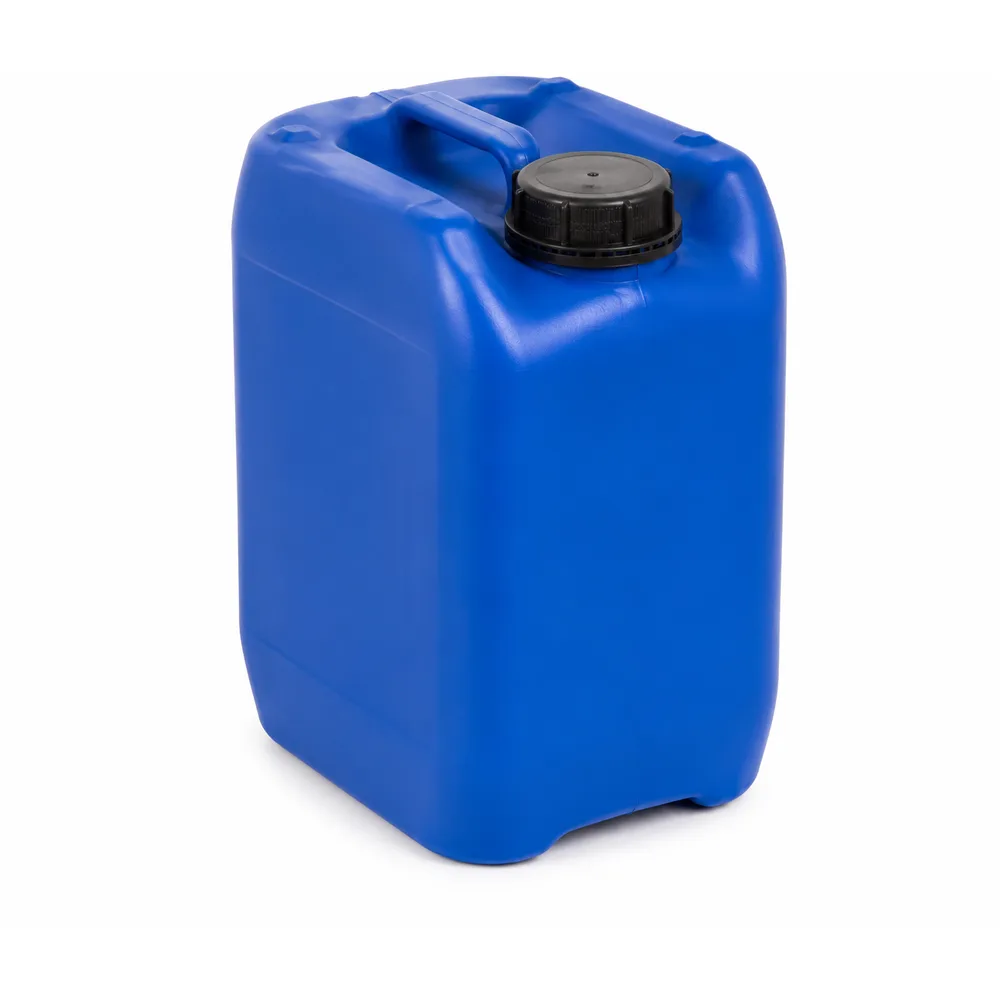 Fluorinated HDPE Jerrycan5, 10, 20, 25 and 30 litres
3H1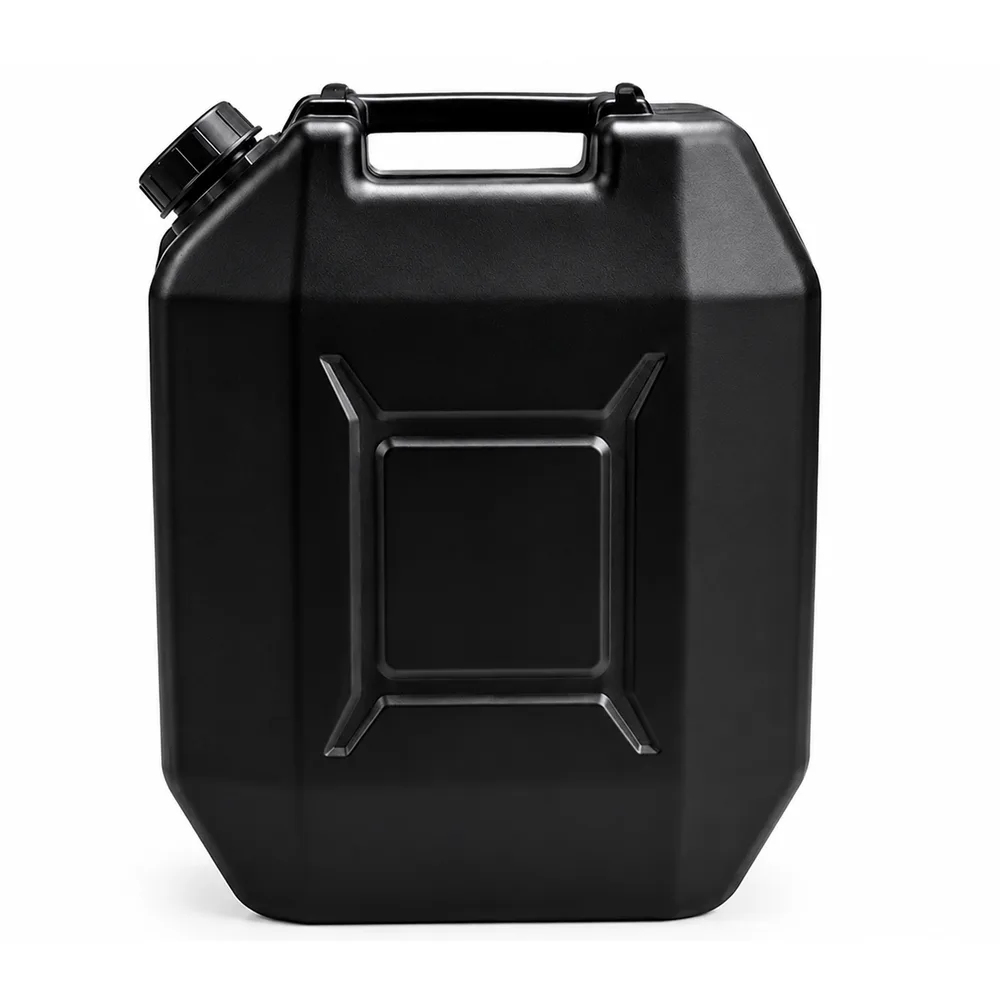 Antistatic HDPE Jerrycan5, 10, 20, 25 and 30 litres
3H1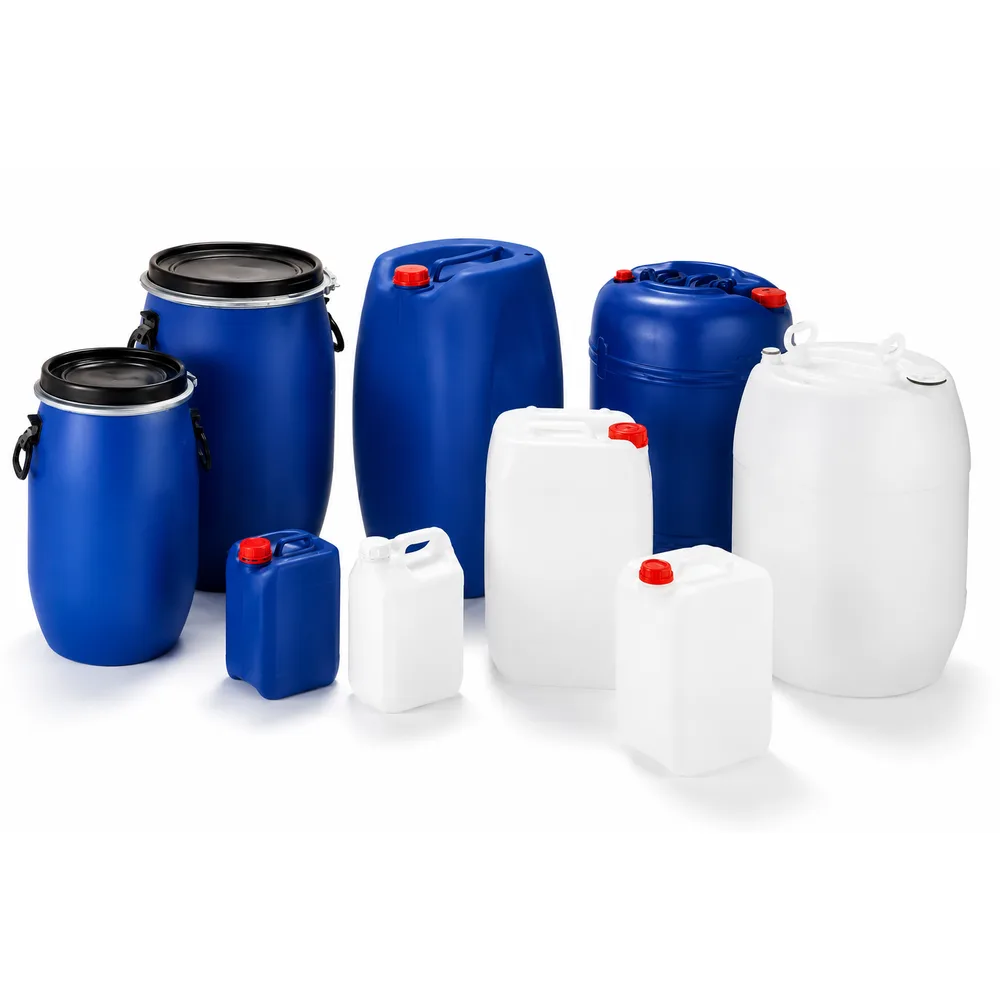 Wide-Mouth HDPE Jerrycan — UN 3H2 pattern10, 20 and 25 litres
3H2Each approval covers one design at one plant, and we produce in Vietnam and in China. With a quote we name the plant on the certificate for your run, and the full mark it carries: packing group letter, density and test pressure.
The mark shows the design passed its tests. Four things stay with the buyer and the filler:
A first answer needs four things: the UN number and packing group, the container type and size, the destination, and the quantity. Ask for the certificate and the test report with the quote. Our company holds ISO 9001, ISO 14001, ISO 45001, and inspection and test reports come with the order where they apply to your design.
| Your use case | Recommended can | Why this one |
|---|---|---|
| UN 3A1, steel | 20L NATO Steel Fuel Can |
The 20 litre NATO-pattern fuel can, in the closed-head steel code fuel carriers ask for. |
| UN 3H1, plastic | 25L Stackable Plastic Jerrycan |
A stackable 25 litre HDPE jerrycan for chemicals and distribution. |
| UN 3H1, solvents | Fluorinated HDPE Jerrycan |
Fluorinated HDPE for solvents and fuels that swell or permeate plain HDPE. |
| UN 3H2, wide mouth | Wide-Mouth HDPE Jerrycan — UN 3H2 pattern |
A removable-head HDPE jerrycan for viscous liquids and solids. |
| UN 3A1, stainless | Stainless NATO Can — 10L / 20L |
Stainless NATO-pattern cans in 10 and 20 litres. |
The container belongs to a design type that passed the UN Model Regulations performance tests for its type, such as drop, stacking, leakproofness and internal pressure for a liquid jerrican, and it carries the UN mark with its code. In Europe and the UK a competent authority approves the design; in the United States the manufacturer certifies it.
Buyers use the two terms for the same thing: a packaging whose design type passed the UN tests and carries the mark. The difference lies in who signs it off. A competent authority such as BAM or the UK VCA approves designs in Europe, while a US manufacturer self-certifies under 49 CFR 178.2(b).
Look for the UN symbol, a small u over an n in a circle, followed by a code such as 3A1 or 3H1, a packing group letter, a density or test pressure, the year, the country and a maker code. Then ask the supplier for the certificate that covers that design and the plant that made it.
For carriage as dangerous goods, yes. Diesel is UN 1202 and petrol UN 1203, both class 3 flammable liquids, so a jerrican carrying them needs a UN code such as 3A1 or 3H1. Private individuals carrying fuel for their own use fall under ADR 1.1.3.1(a), up to 60 litres per container and 240 litres per transport unit.
No. Drinking water is not a dangerous good, so a water can or jerrican carries no UN mark. What it needs is food-contact documentation for the market it is sold in, such as a declaration of compliance under EU Regulation 1935/2004 or a mill certificate for a stainless steel grade.
Steel jerry cans made to UN 3A1 (NATO-pattern fuel cans, stainless NATO cans, horizontal cans and a 3 litre mini can) and HDPE jerrycans made to UN 3H1 and 3H2. Aluminium jerry cans and metal and plastic pails come in UN design types too; confirm the approval for your run when you ask for a quote.
The standards and regulations this page relies on, at their issuing body. Where a market rule is named here, check the current revision before you specify against it.
Last reviewed by David Guru, Co-Founder & Business Development Director.
Contents, packing group, container and destination are enough for a first answer: the design certified to the right code, the plant named on its certificate and a price.