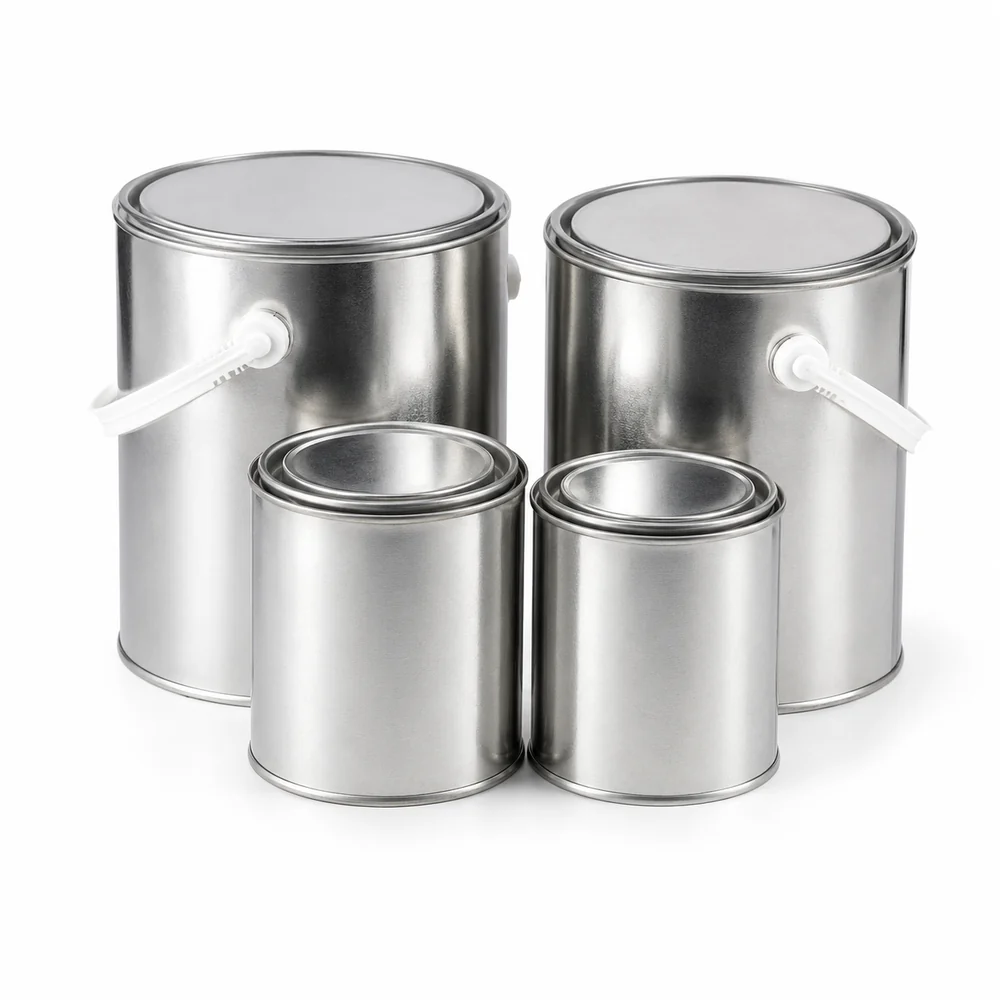
Tinplate can
Round Metal Tin Can, 50ml to 6L
Straight-sided tinplate cans in fifteen sizes from 50 ml to 6 litres, UN-capable, with gold or clear internal lacquer and full-surface lithographic print.

F-style and square tinplate, from a 250 ml thinner tin to a 25 litre square bucket. Flat faces, a pouring head, and a footprint that squares off on a pallet.
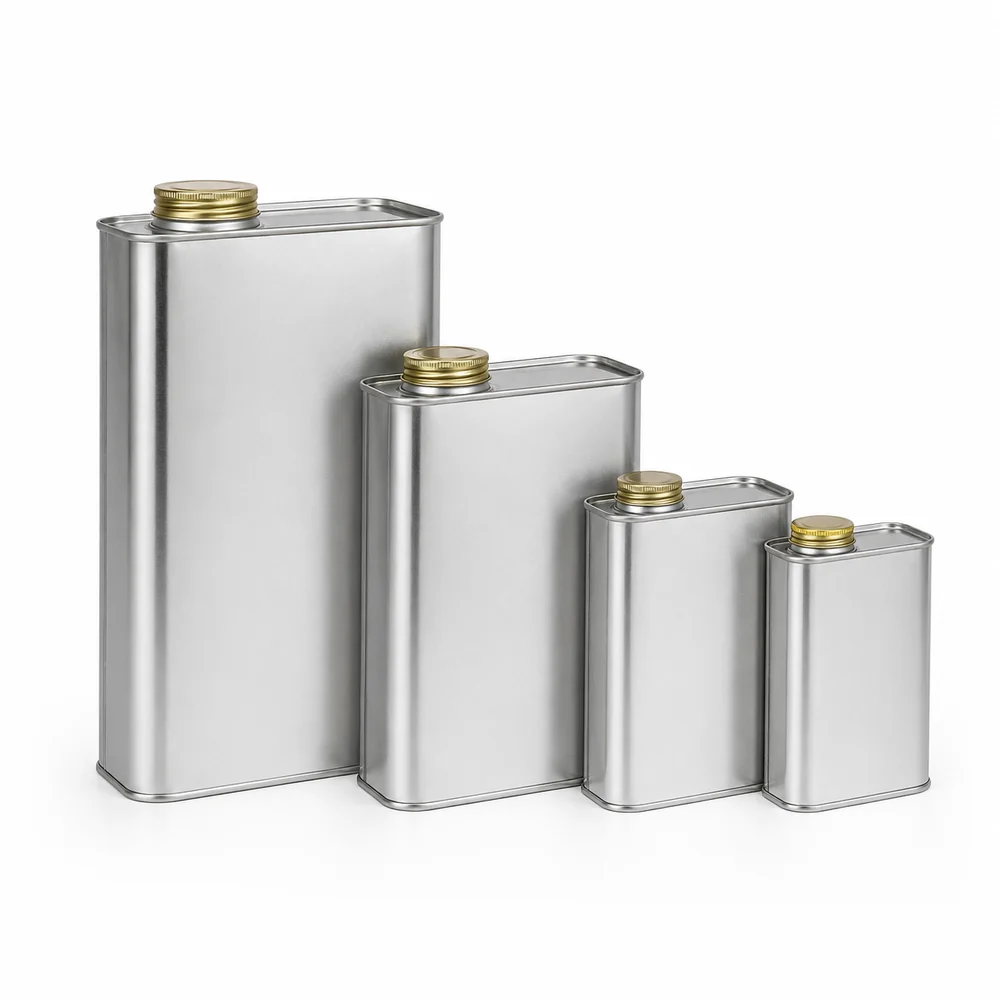
| Capacity range | 250 ml to 25 litres, fourteen sizes |
|---|---|
| Material | Tin-plated steel |
| Wall thickness | 0.21 to 0.35 mm depending on size |
| Head | Wide-opening pouring head, metal or plastic cap |
| Body styles | Square can, square can with metal cap, square bucket |
| Internal lacquer | Gold or clear, specified against the contents |
| Decoration | Four-colour offset lithographic printing, full surface |
| Lead time | Approximately one month for a standard production run; samples in 7–15 days. Confirmed against your specification at quotation. |
These depend on your order, your market or the certificate that covers your run, so we quote them rather than publish one figure that would be wrong for most buyers. Ask and you get the number for your specification.
Before you order: Square and rectangular bodies are more sensitive to internal pressure and to top load than round ones. Confirm your fill temperature and your pallet stack height with us before specifying the gauge.
14 sizes, with the container quantities a distributor needs to cost a shipment. Loading figures are unpalletised.
| Item photo | Size | Build | Top × Bottom × Height | Wall | Per 20GP | Per 40HQ |
|---|---|---|---|---|---|---|
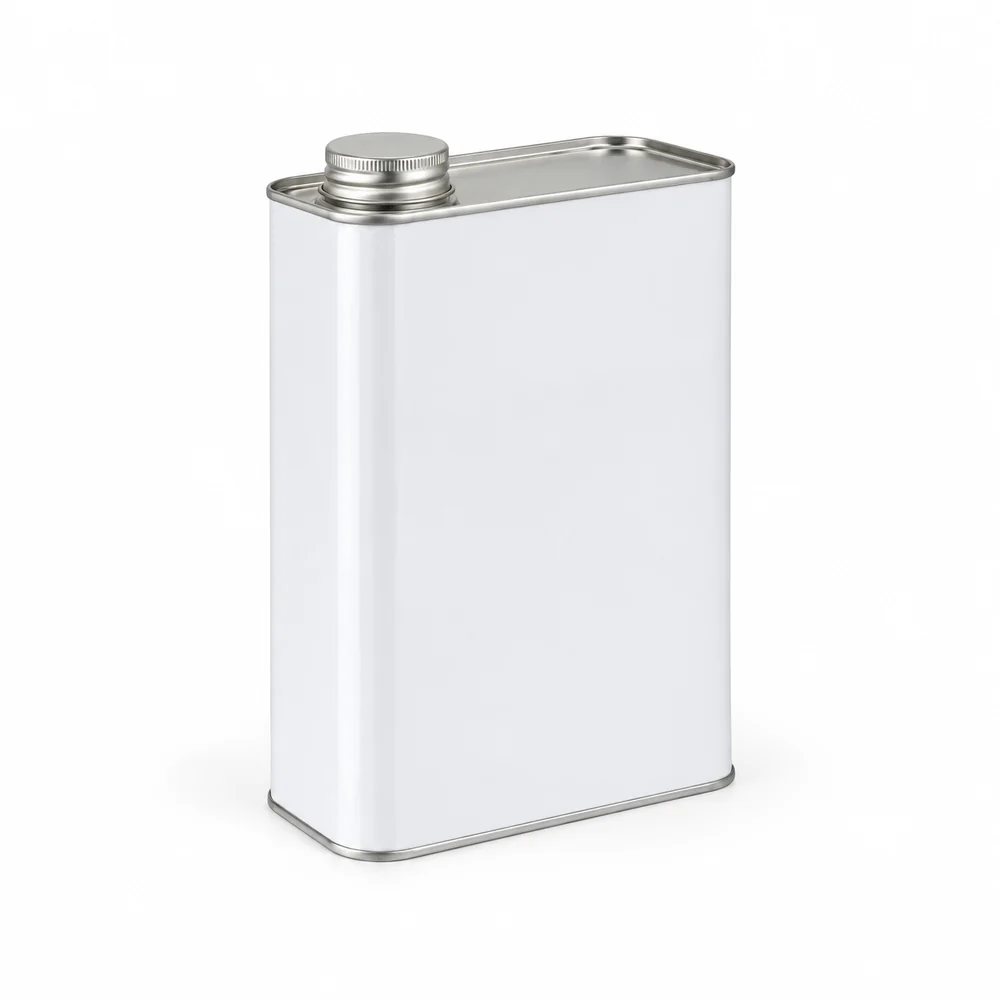 | 250 ml | Square can | 116 × 60 × 60 mm | 0.21 mm | 55,000 | 120,000 |
| 500 ml | Square can | 116 × 60 × 88 mm | 0.21 mm | 42,000 | 90,000 |
| 750 ml | Square can | 116 × 60 × 173 mm | 0.23 mm | 26,400 | 120,000 |
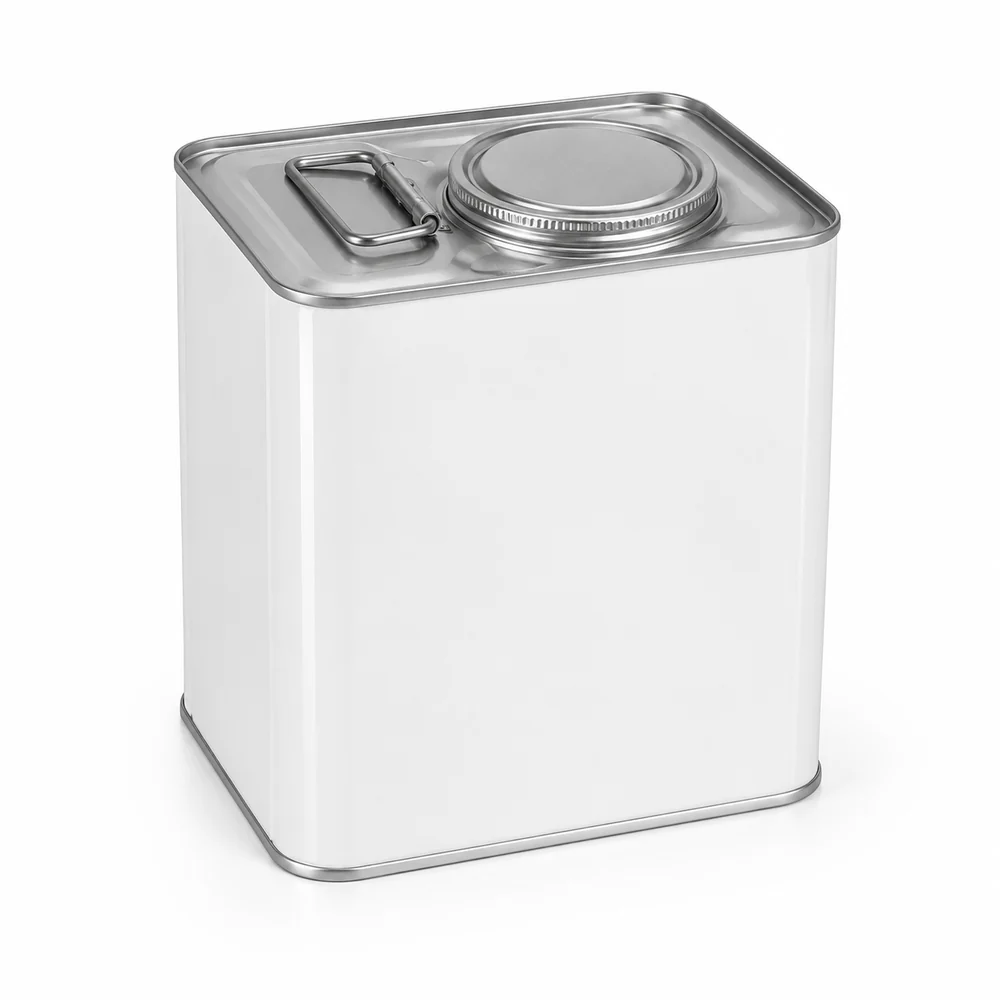 | 1 L | Square can, metal cap | 116 × 60 × 173 mm | 0.21 mm | 22,000 | 44,000 |
| 2 L | Square can | 168 × 86 × 175 mm | 0.23 mm | 11,000 | 24,000 |
| 3 L | Square can | 168 × 86 × 260 mm | 0.23 mm | 7,800 | 17,000 |
| 2 L | Square can, metal cap | 168 × 106 × 140 mm | 0.23 mm | 10,000 | 22,000 |
| 2.5 L | Square can, metal cap | 168 × 106 × 155 mm | 0.23 mm | 9,500 | 21,000 |
| 4 L | Square can, metal cap | 168 × 106 × 260 mm | 0.23 mm | 6,000 | 13,000 |
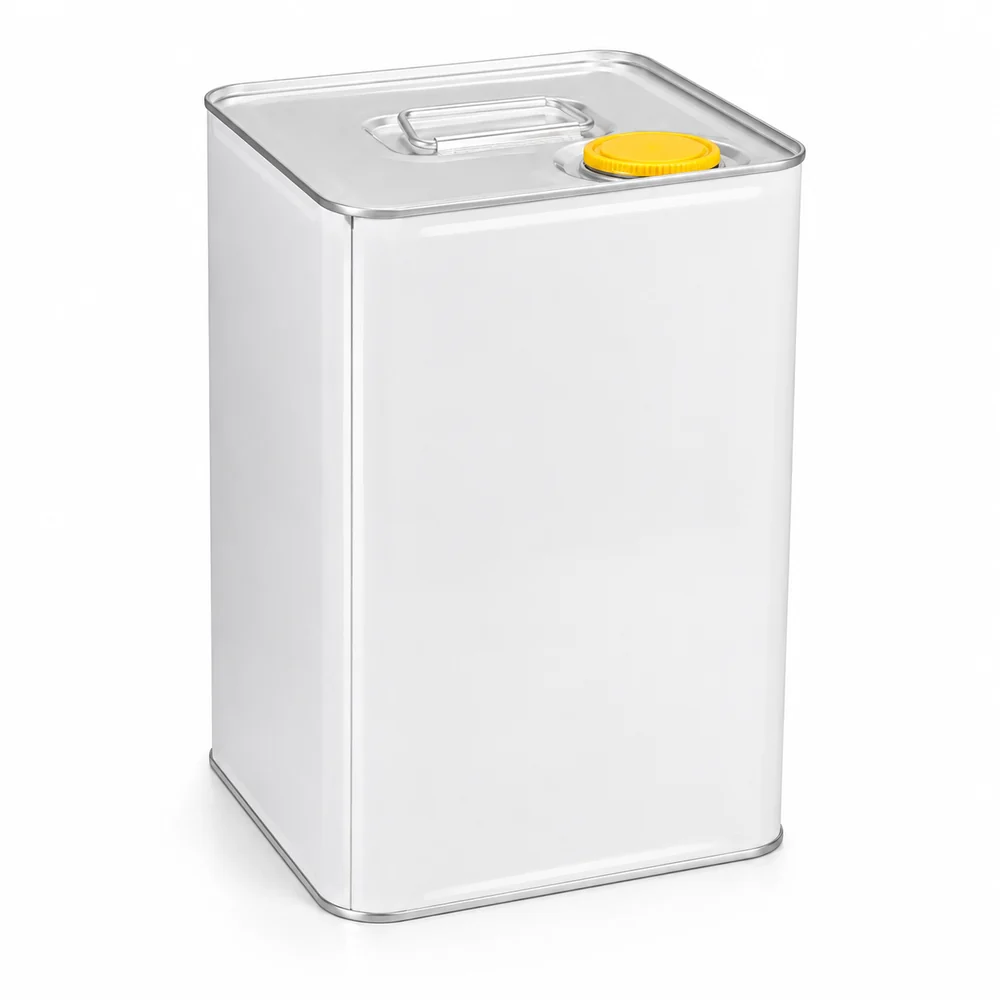 | 10 L | Square bucket | 240 × 240 × 225 mm | 0.28 mm | 2,160 | 4,970 |
| 15 L | Square can | 240 × 240 × 300 mm | 0.28 mm | 1,650 | 3,600 |
| 18 L | Square bucket | 240 × 240 × 350 mm | 0.28 mm | 1,296 | 3,400 |
| 20 L | Square bucket | 240 × 240 × 380 mm | 0.32 mm | 1,296 | 3,290 |
| 25 L | Square bucket | 240 × 240 × 470 mm | 0.35 mm | 1,080 | 2,250 |
Figures are the factory’s published catalogue values, transcribed as printed. Confirm against the drawing issued with your order — wall thickness and closure are specified against the contents, so the build for your product may differ from the standard shown.
The offset wide head lets air in while liquid goes out. A centred opening on a square body glugs, which is how a workshop floor ends up wearing the thinner.
Instructions on one panel, hazard marking on another, brand on the front. On a round can all of that competes for one curved band.
No corner void between units. On a 25 litre square bucket that is a materially better cube than the round equivalent, and it shows up in the container figures on this page.
Flat panels bow before a round wall does, so the gauge steps up with size and the corners are formed rather than folded.
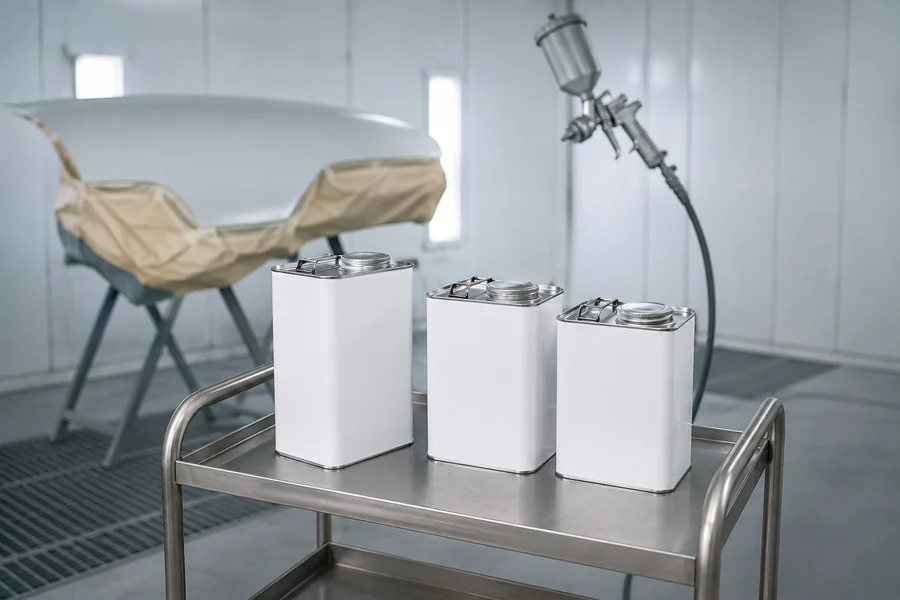
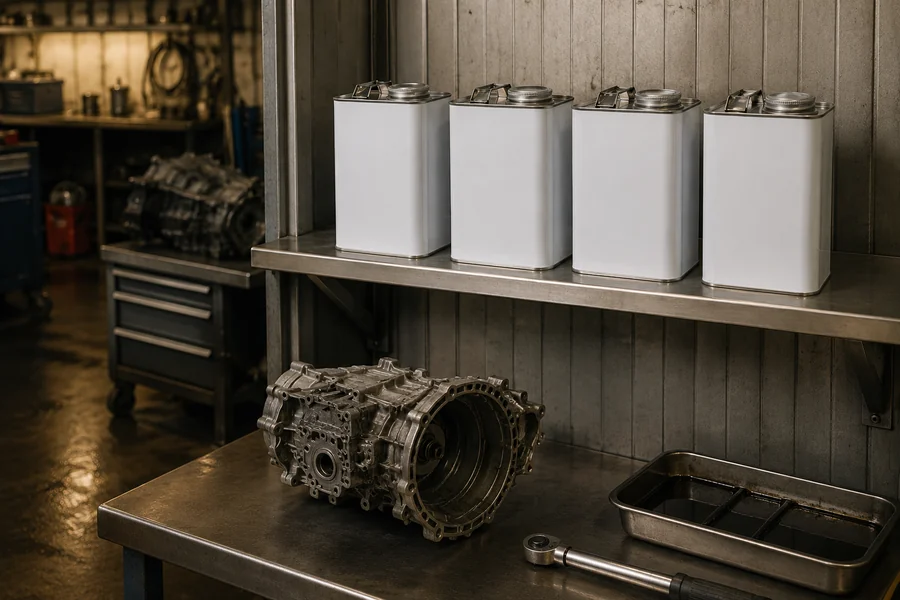
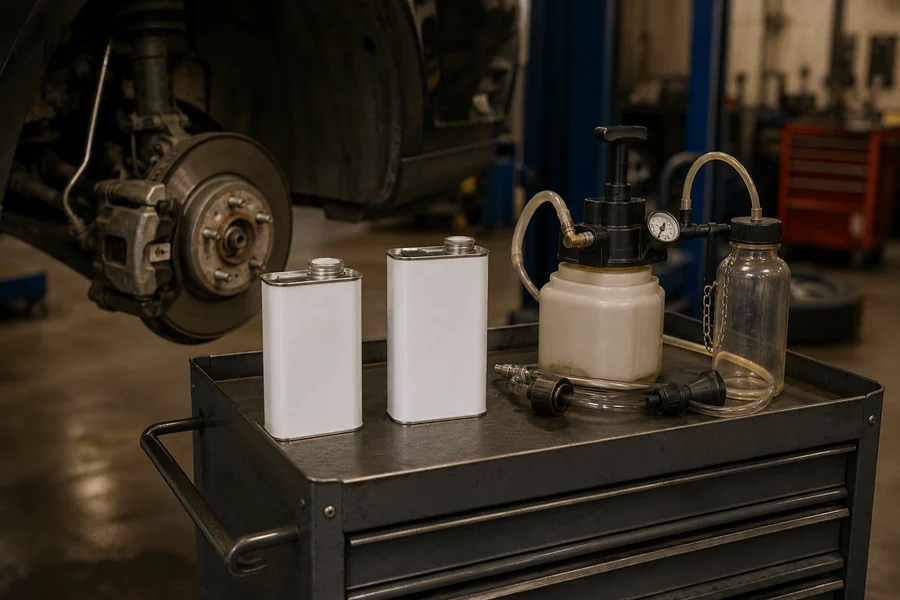
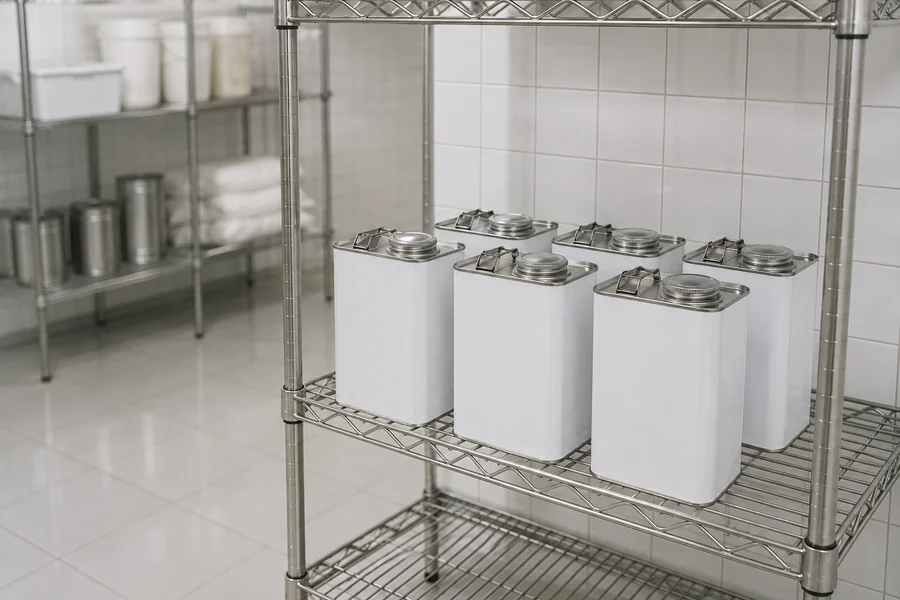
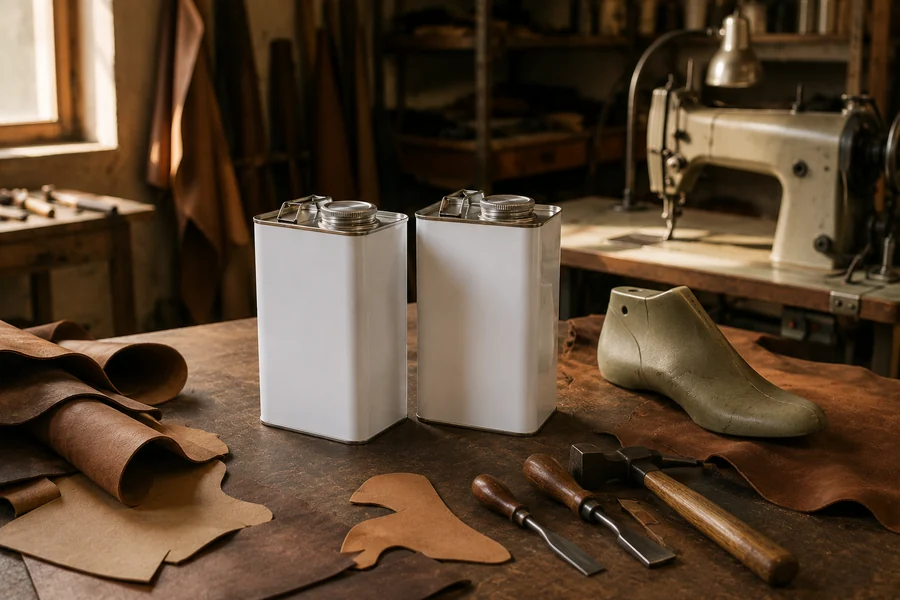

The body is pressed from cold-rolled steel to the pattern, seam-welded, then finished as set out in the specification above: internal coating, galvanising or powder coat according to what the can carries. Pressing runs across our Vietnam and China plants under one specification managed from Singapore, so the drawing and closure stay identical whichever plant fills the order.
Every can is checked before it leaves the plant:
The regimes that apply to this type of container in each market we ship to, with the detail behind each one a click away. This is what the market asks for; what this particular design already holds is in the specification above.
Orientation for specification, not legal advice, and not a statement that this design holds a given approval. Requirements turn on the exact design, contents and destination, and they change. Tell us the market at enquiry and we confirm what applies to your specification, what we hold and what we would need to obtain.
Two reasons: flat faces take full-height artwork without distortion, and a square body wastes no space in a carton or on a pallet. For thinners and automotive fluids sold by the case, that is most of the freight argument.
The 3-series, because the UN definitions go by cross-section. A rectangular or polygonal body is a jerrican, so a square tin certifies as 3A1 or 3A2 depending on the head, in the same series as a fuel can and not as a drum.
Clean pouring and fast filling. A wide head lets a viscous product out without glugging and lets the filling line run faster, which is why it shows up on thinners, oils and additives rather than on decorative paint.
The can is a pouring pack with a head and a cap. The square bucket is an open-head format for products that are scooped, brushed or decanted. Same family, different jobs, and the choice sets the filling line.
Under internal pressure and top load, yes. Flat panels flex where a cylinder does not. Confirm your fill temperature and pallet stack height with us before the gauge is specified, because both push the wall thicker.
Yes, both are standard uses. For edible oils the coating carries the food-contact case, so ask for the Declaration of Compliance written against the coating rather than a generic statement about the steel.
Fourteen, from 250 ml to 25 litres, across square cans, square cans with a metal cap and square buckets. That covers a retail shelf pack and a trade pack from one body family.
Yes. Four-colour offset lithography across the full surface, and the flat face means the artwork lands undistorted. This is the main reason buyers pick square over round for a branded retail line.
They are used for both, with the coating specified against the fluid. Brake fluid is hygroscopic and unforgiving of the wrong liner, so tell us the exact fluid rather than the category.
Quoted against your specification rather than published. Production is approximately one month, with samples in 7 to 15 days.
Straight-sided tinplate cans in fifteen sizes from 50 ml to 6 litres, UN-capable, with gold or clear internal lacquer and full-surface lithographic print.
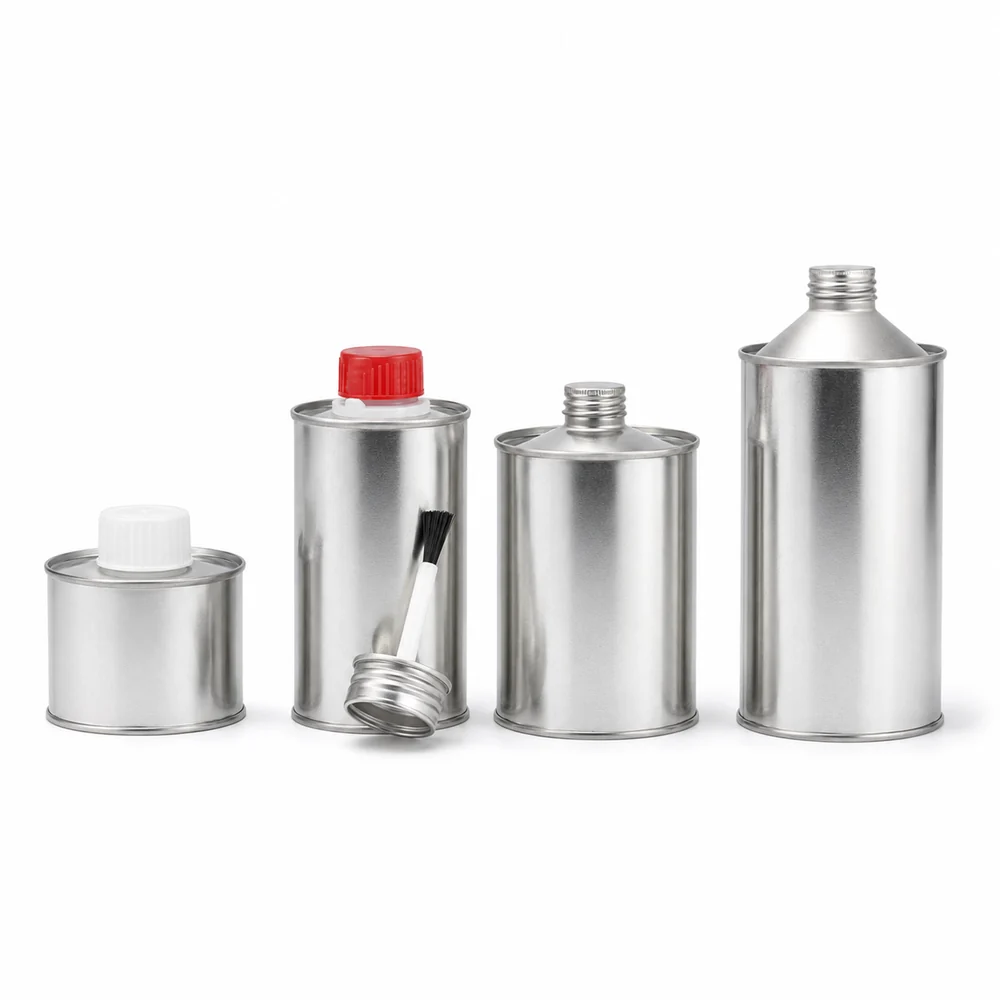
Specialty tinplate cans from 60 ml to 1 litre with an integrated dauber or brush in the cap, plus round cone-top cans for controlled pouring.
Tell us your destination market, target volumes and whether you need private labelling.